
I am going to start this review with the part that most product pages leave out: the Baofeng BF-F8HP is not the radio that will make you a better ham, and it is not the radio that will let you down either. It is the radio that gets you on the air for very little money, and then it quietly teaches you what you actually want from this hobby. I have owned one for two years, and I have a clearer opinion of it now than I did the day it arrived.
If you are shopping for your first handheld, you have probably run the same loop I ran in 2009. You look at the big-name radios, wince at the cost, and wonder whether a newcomer really needs all of that. The honest answer is that you do not. But the honest answer comes with a warning, because the BF-F8HP has quirks that nobody puts in the product listing. This review is about those quirks as much as the good parts.
The Quick Verdict
The best value in ham radio if you understand what it is: a capable, inexpensive handheld with real limitations.
Amazon Check Today's Price →The Radio That Gets New Hams on the Air
Two years in, this is still the first radio I reach for when I want to talk without thinking about it. If you are ready to stop window-shopping, today's price on Amazon is the easiest way to see what it costs.
Amazon Check Today's Price on Amazon →How I've Used It
I am Lyle Brannock. I live on a few acres outside Cookeville, Tennessee, with my wife Joan, and I have been licensed since 2009, when I started as a Technician. I upgraded to General in 2012. Before I retired I spent thirty years as a telephone company lineman, which means I am used to gear that gets dropped, rained on, and stuffed into a truck door pocket. The BF-F8HP has lived that kind of life.
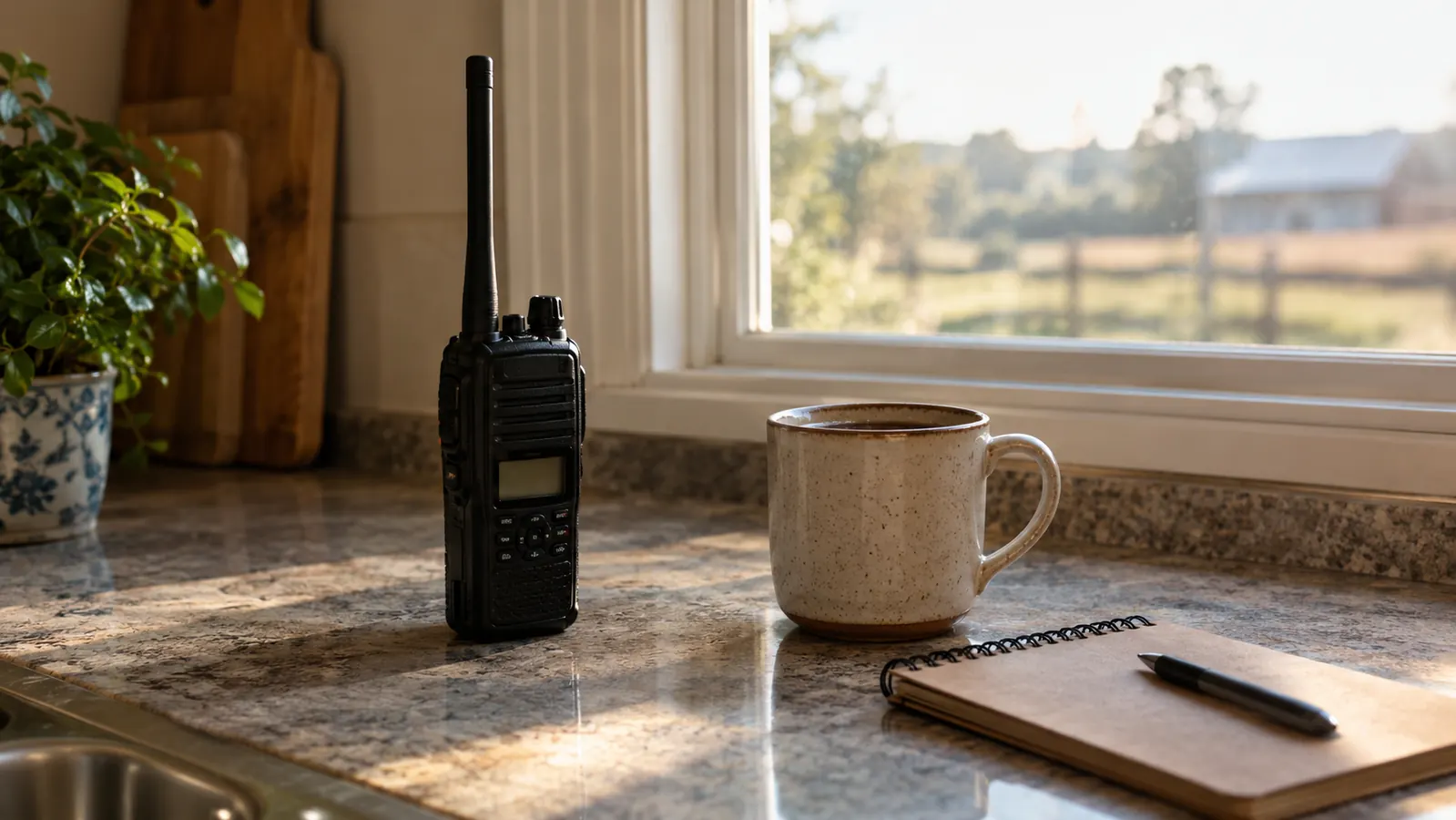
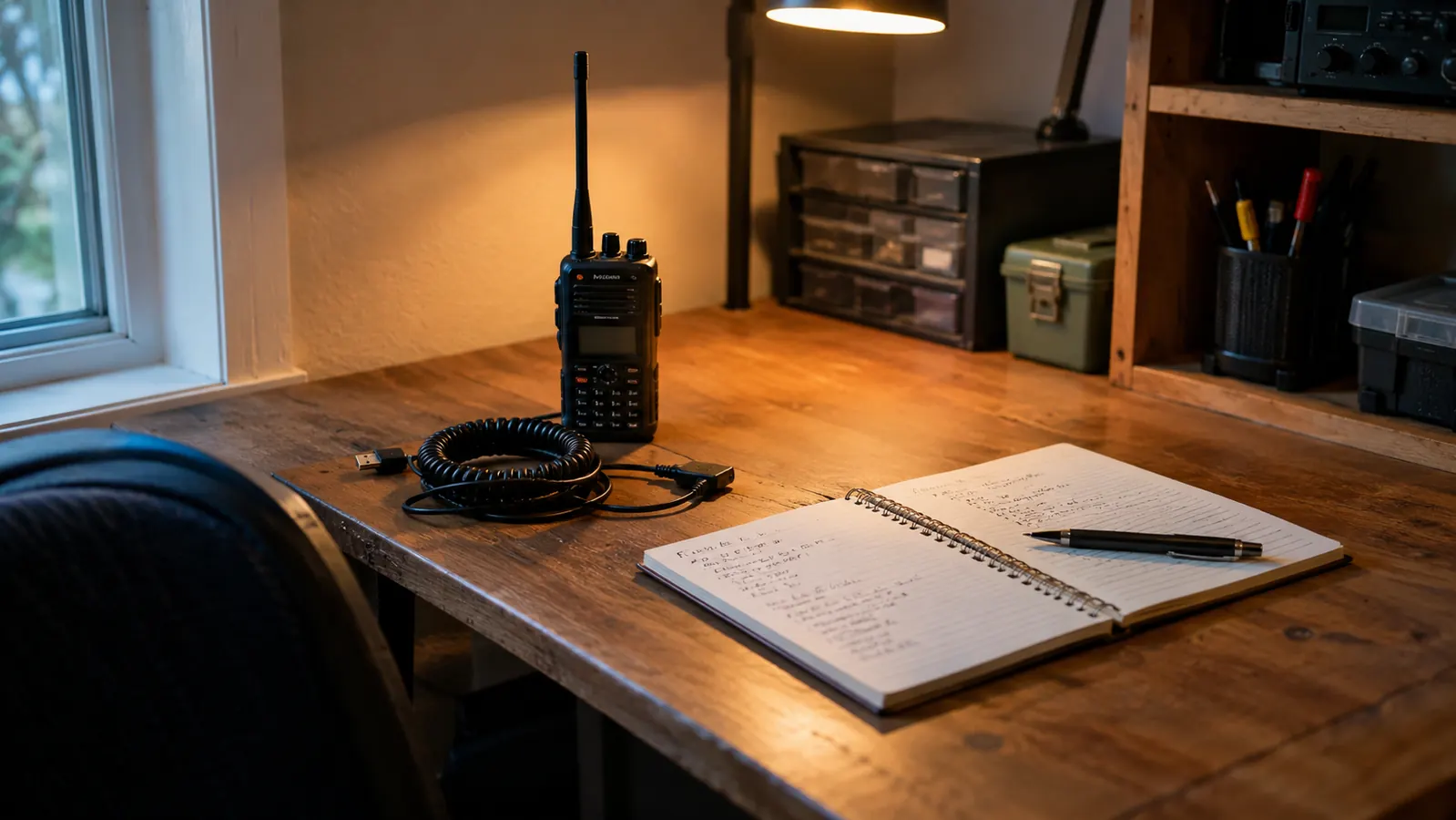
For the last two years, this radio has been my walk-around handheld. During storm season it sits charged on the kitchen counter so Joan can grab it and reach me if the power goes out. That is not a theoretical exercise. The ice storm in 2020 knocked out power and cell service in our county for four days, and that is when I got serious about a setup that works off-grid. The rest of the year, the BF-F8HP rides in the F-150 or sits on the bench in my radio corner, which is a corner of the spare bedroom with the antenna lead running out the window to the backyard.
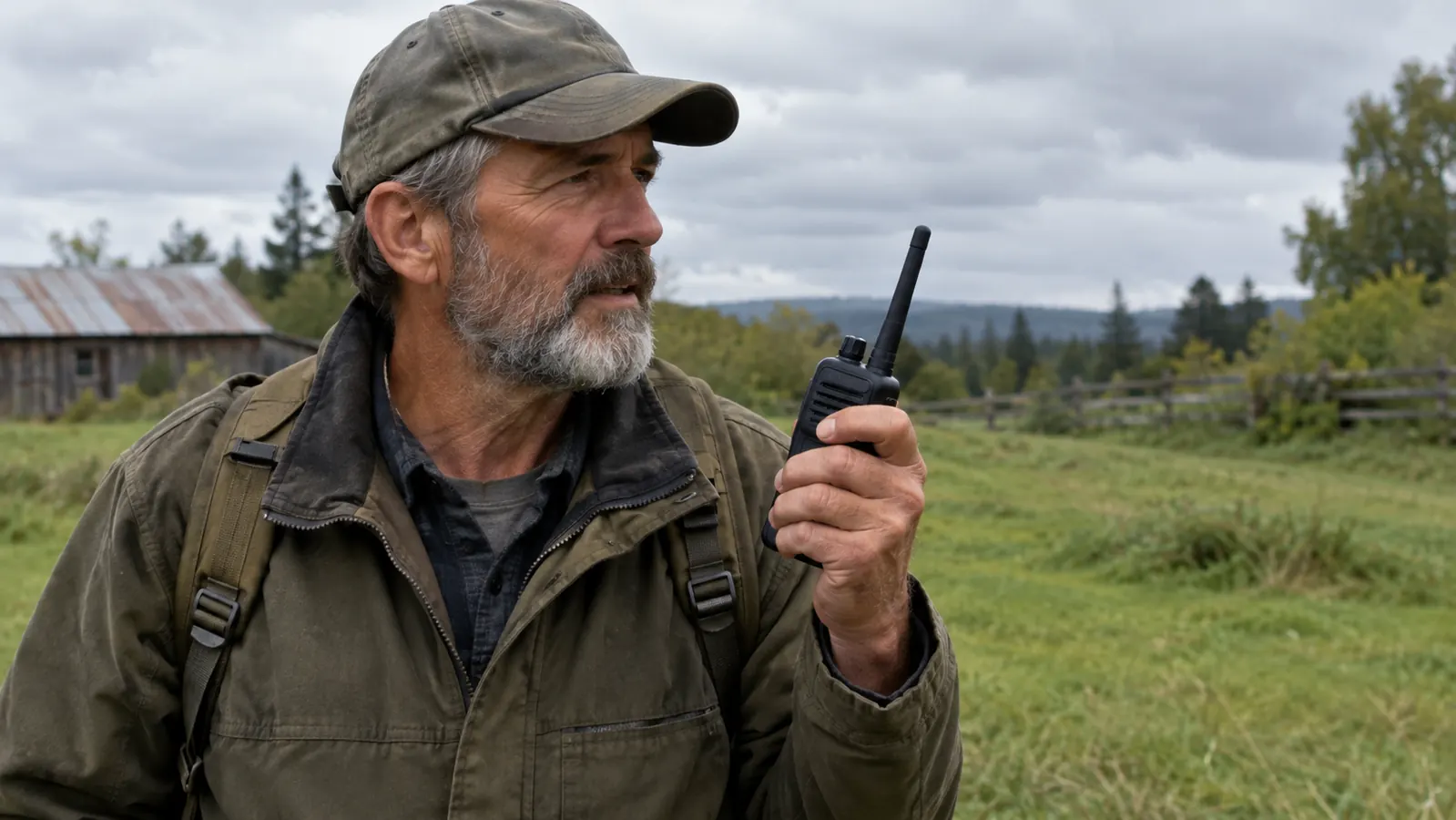
In those two years I have used it on 2 meters and 70 centimeters, which are the two bands it covers. I have worked repeaters, talked simplex (which just means radio to radio with no repeater in between), and used it in the house, in the yard, and in the rain. In the truck I usually run a separate mobile radio, but the BF-F8HP comes along on trips because it is the one radio I can hand to someone else without a lesson. I have also used it to talk to the house while I was out working on the antenna in the yard, which beats yelling across the property. I have spent more hours than I want to admit in its menu system, and that last part is where the honest part of this review begins.
What the BF-F8HP Actually Is
The BF-F8HP is Baofeng's third-generation version of the UV-5R, the handheld that basically created the budget ham radio market. It is a dual band radio, meaning it transmits and receives on the 2 meter band and the 70 centimeter band, and it is built on the same basic design that a million other Baofeng handhelds use. What the 'HP' adds is a claimed 8 watts of transmit power on high, up from the 5 watts of the older models.
Here is the first thing nobody tells you. That 8 watt figure is optimistic. On a bench meter, you will often see less, especially on 70 centimeters, and the difference between 5 and 8 watts at the receiving end is rarely dramatic anyway. What matters far more is the antenna, and the stock antenna on this radio is the weakest part of the package. I swapped in a better antenna within the first month, and the radio behaved like a different device.
The radio has 128 channels, a built-in flashlight, a voice prompt that announces the channel and frequency, and a programming system that is best described as dense. You can program it by hand through the keypad, which is tedious, or you can use a programming cable and software, which is how almost everyone actually does it. The software is free and the cable is inexpensive, but neither is included in the box.
The battery deserves its own mention, because it is the part of the radio that actually gets used hard. The BF-F8HP takes the same battery style as the older UV-5R, which means replacements are everywhere and cheap. I keep a spare charged in the drawer, and when the kitchen counter radio runs low during a long outage, swapping the battery takes about ten seconds. You do not need a second radio. You need a second battery.
The Good, Honestly
Start with the obvious. The BF-F8HP gets you on the air for a fraction of what the big-name Japanese handhelds cost, and it covers the bands that matter for a new ham. It is small enough to carry all day, the battery life is respectable for a radio in this class, and the receiver will pull in signals that surprise you once you feed it a decent antenna.
The build is not delicate. I have dropped mine on gravel, left it in the truck overnight in freezing weather, and run it through a couple of rainstorms with the cover over the accessory port. It still works. The buttons still click, the knob still turns, and the battery still holds a charge after two years of regular use. For a radio in this price class, that durability impressed me the most.
There is also something to be said for learning on a radio that does not punish mistakes. The menu system forces you to understand what you are changing, and the manual, while not a pleasure read, covers everything you need. If you can program this radio, you can program almost anything, and that skill carries over when you eventually upgrade.
The other thing the BF-F8HP has going for it is the ecosystem around it. Because so many hams own one, every problem you will ever hit has already been solved and written up. Replacement batteries, better antennas, programming guides, and walkthrough videos are all a short search away. That support network is worth more than the radio itself when you are starting out.
What Nobody Tells You
Here is what the product listing leaves out. First, the user interface is genuinely clunky. The menu has layers of settings with cryptic abbreviations, and you will spend your first few sessions with the manual in your lap. I have been doing this for years and I still double-check the CTCSS tones, the sub-audio tones that open a repeater, every time I set up a new channel.
Second, the receiver is not the most selective one out there. In a crowded radio environment, strong nearby signals can overload the front end and you will hear artifacts or interference that a more expensive radio would filter out. If you live in a city with a lot of RF noise, you will notice it. If you live on a few acres in the country, like I do, it is rarely a problem.
Third, there is the license question. You need a license to transmit on the ham bands, and the BF-F8HP does not make that requirement any easier to ignore. The radio is capable of transmitting on frequencies outside the ham bands, which is exactly why you should not key it up without knowing what you are doing. That is not a reason to avoid the radio. It is a reason to get your Technician license first, because that license is all you need to use this radio legally on the bands it covers.
Fourth, the accessories are the cheapest part of the package. The speaker is loud but not pleasant. The included earpiece is the kind you will replace. The belt clip is adequate rather than great. None of these are deal breakers, but they are the corners Baofeng cut to hit the price, and you should know they exist before you buy, not after.
Fifth, and this one surprises people, the BF-F8HP will not hold its value. It is an inexpensive radio, and the used market treats it that way. That is not a reason to avoid it, but it is a reason to buy it as a tool rather than an investment. Use it, learn on it, and do not worry about what it is worth later.
The First Week: What to Expect
The first thing you should do is read the manual, and I do not say that lightly. The BF-F8HP ships with the radio set to a frequency that is not useful to you, and the manual is the only place that explains the menu well enough to change it. Plan for an evening of fiddling. That is normal, and it is not a sign that the radio is broken.
The second thing is to order a programming cable and use the free software called CHIRP. Programming 128 channels by hand is a good way to learn the menu, but it is a terrible way to set up a radio you plan to actually use. With CHIRP, you can enter the repeater frequencies, the offsets, and the CTCSS tones from your computer, and the whole setup takes minutes instead of hours.
One more thing about that first week. The included manual covers the radio, but it does not cover the hobby. If you are new, find a local club or an Elmer, which is what hams call the person who answers your beginner questions. A ten minute conversation with someone experienced will save you more time than any manual. The radio will still be there when you get back.
The third thing is to replace the stock antenna before you judge the radio's range. I know it feels wasteful to buy an accessory for a radio you just bought, but the stock antenna is the single biggest limit on this radio's performance. A better antenna is inexpensive, and it will do more for your signal than the difference between 5 and 8 watts ever will.
Two Years In: What Held Up and What Did Not
The honest verdict after two years is that the radio itself held up better than I expected, and the accessories did not. The stock antenna went in the drawer within a month. The programming cable works, but the software feels like it was designed in a different decade, because it was. The battery, on the other hand, has been a pleasant surprise. It still takes a charge and still holds it through a full storm season.
Range is the question everyone asks, so here is my specific answer. From the kitchen counter to the truck in the driveway, with the doors closed, the BF-F8HP is flawless. Through a local repeater, I have talked to hams twenty or thirty miles away without any trouble. On simplex, radio to radio, the useful range on a handheld is a few miles with the stock antenna and a bit more with a better one. Anyone who promises you more than that is overselling you.
I also checked the standing wave ratio, or SWR, on my antennas when I was tuning the setup, because a bad match between the radio and the antenna can damage the front end over time. The BF-F8HP has held up to that kind of regular use without complaint. The one thing that did test my patience was the menu, and once I set up the channels I actually use, I stopped touching it. The radio has been a set-and-forget tool ever since.
What surprised me is how often Joan reaches for it. She is not a ham and has no interest in becoming one, but she knows which button to push to reach me on the repeater, and during storm season that radio on the kitchen counter is part of the routine. That alone has made it worth every bit of the setup time.
The only repair I have had to make in two years is a new speaker grille cover after the radio took a tumble onto gravel, and that was my fault, not the radio's. The part was inexpensive and the radio was back on the kitchen counter the same day.
The one thing I would change is the included antenna. I have said it already, but it is worth repeating, because it is the difference between a radio that feels limited and a radio that feels capable. A longer whip antenna costs very little and slides into the same connector. I ran the stock antenna for the first month, swapped it, and never looked back. If you buy this radio, budget for that swap in the same order.
Two years, two storm seasons, and one ice storm later, the BF-F8HP has never once failed to power on when Joan reached for it.
The Alternatives I Considered
I did not buy the BF-F8HP in a vacuum. I compared it against the Yaesu FT-65, which is a more refined handheld with a receiver that handles crowded environments better. There is a separate comparison of the two on this site. The short version is that the Yaesu is the better radio and the Baofeng is the better value, and which one you should buy comes down to your budget and your patience for menus.
If you want the longer version of this radio's story, there is a long-term review on this site that goes deeper into battery care, maintenance, and antenna upgrades. And if you are brand new to the hobby, the article on ten reasons a Baofeng handheld suits a new ham walks through the licensing path and what to expect in your first week on the air.
The honest takeaway from all of the alternatives is this: the BF-F8HP is not the radio that will make you a better operator, but it is the radio that will get you on the air, and getting on the air is how you actually learn.
What I Liked
- Very low cost way to get on 2 meters and 70 centimeters
- Small and light enough to carry every day
- Survived two years of drops, rain, and truck-cab winters
- Battery still holds a charge after two years of regular use
- 128 channels, dual band, and a built-in flashlight
- Huge owner community means answers to any question are one search away
Where It Falls Short
- Menu system is dense and takes real time to learn
- Claimed 8 watts is optimistic, especially on 70 centimeters
- Stock antenna is the weak link and should be replaced
- Receiver can be overloaded in crowded RF environments
- Included accessories are the cheapest part of the package
- You still need a license to transmit, and the radio will not get you one
Who This Is For
Buy the BF-F8HP if you are a new ham who wants to get on the air without spending a lot of money. Buy it if you want a second radio to keep in the truck or on the kitchen counter for storm season. Buy it if you are the kind of person who likes learning the inside of their gear, because the menu will teach you more about how a handheld works than any radio twice the price. And buy it if you are not sure yet whether handheld radio is for you, because the cost of finding out is low.
Who Should Skip It
Skip it if you need a radio that is easy to program out of the box, because this one is not. Skip it if you live somewhere with heavy RF noise and need a selective receiver, because this one will frustrate you. And skip it if you plan to rely on it as your only radio in a serious emergency. For that job, I would rather see you spend the money on a radio with a better receiver and a longer track record. The BF-F8HP is a fine first radio and a fine backup. It is not the radio I would stake everything on.
Still Trying to Decide? Start Here.
Two years of honest use says the BF-F8HP is the right first radio for most new hams and the right backup radio for everyone else. Check today's price on Amazon and see where you land.
Amazon Check Today's Price on Amazon →