
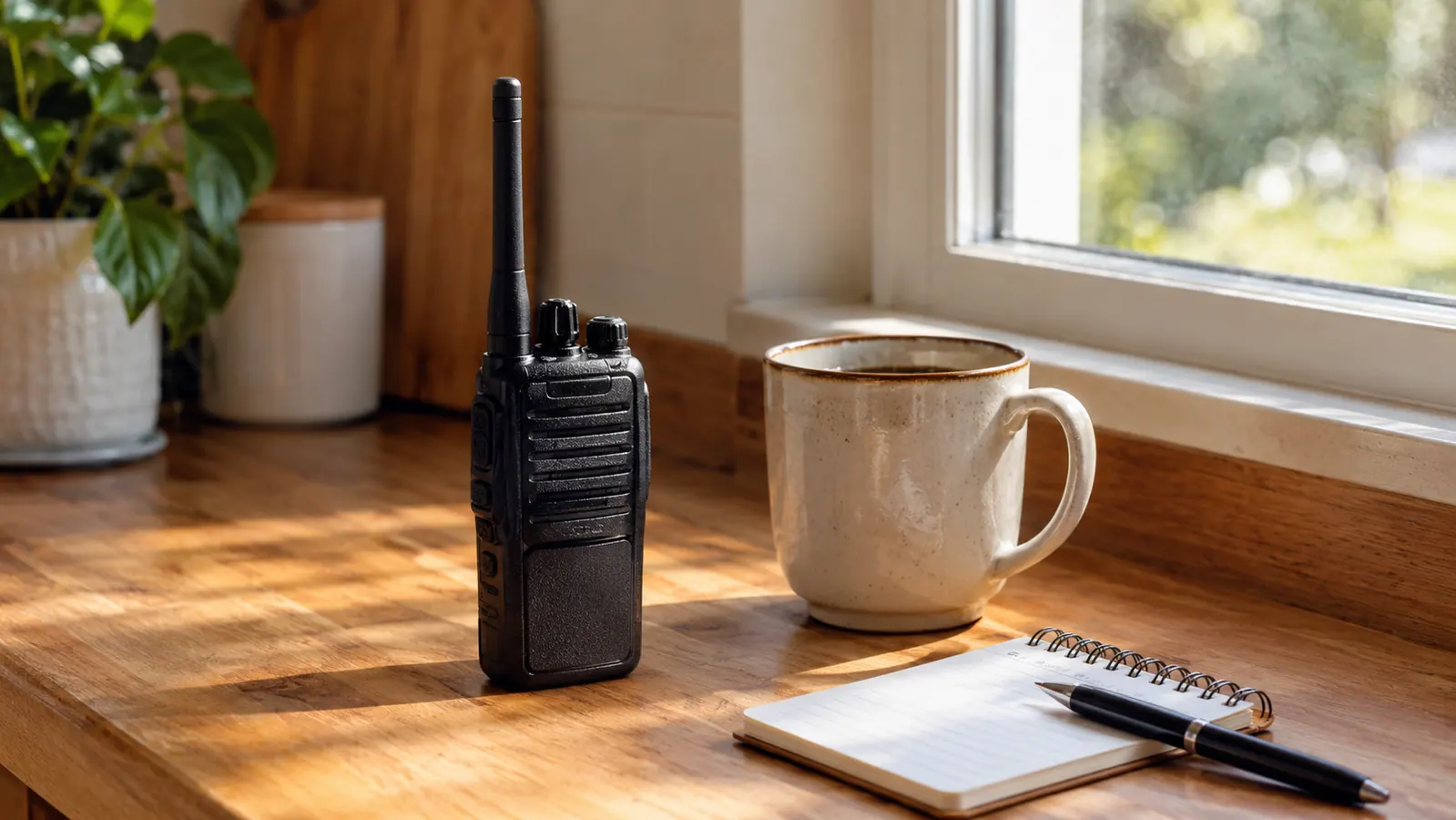
The first radio I ever owned was a basic handheld I bought in 2009, the same year I got my Technician license. It did the job for more than a decade, until it finally died about two years ago. When I went looking for a replacement, I kept coming back to one name: Baofeng. Specifically the BF-F8HP, the third generation of the UV-5R line. It is the radio that sits charged on my kitchen counter during storm season, and it is the one I hand to a new ham before I hand them anything else.
Understand what this list is not. It is not a claim that Baofeng builds the finest radio ever made. The receiver on a radio that costs a fraction of a name brand has limits, and I will name them. My old handheld gave out on a Tuesday morning two years ago, when the battery would not hold a charge through the morning net. I ordered the BF-F8HP that same week, and it has been the radio on my counter ever since. But a new ham does not need the finest radio. They need a radio they will actually carry, actually transmit on, and actually learn on. That is what the BF-F8HP is, and these are the ten reasons I keep recommending it.
The radio I hand to every new ham
If you are new to the hobby, this is the cheapest way to find out whether you will actually use a radio. The ten reasons below start with the one that matters most.
Amazon Check Today's Price on Amazon →It is cheap enough to make mistakes on
Every ham has dropped a radio, left one in the rain, or watched one slide off the hood of a truck. I have done all three. With a radio this inexpensive you can afford to learn the hard way, and you will. The first scratch is the worst one. After that the radio is yours, and you stop worrying about it and start using it.
Dual band covers the repeaters you will actually use
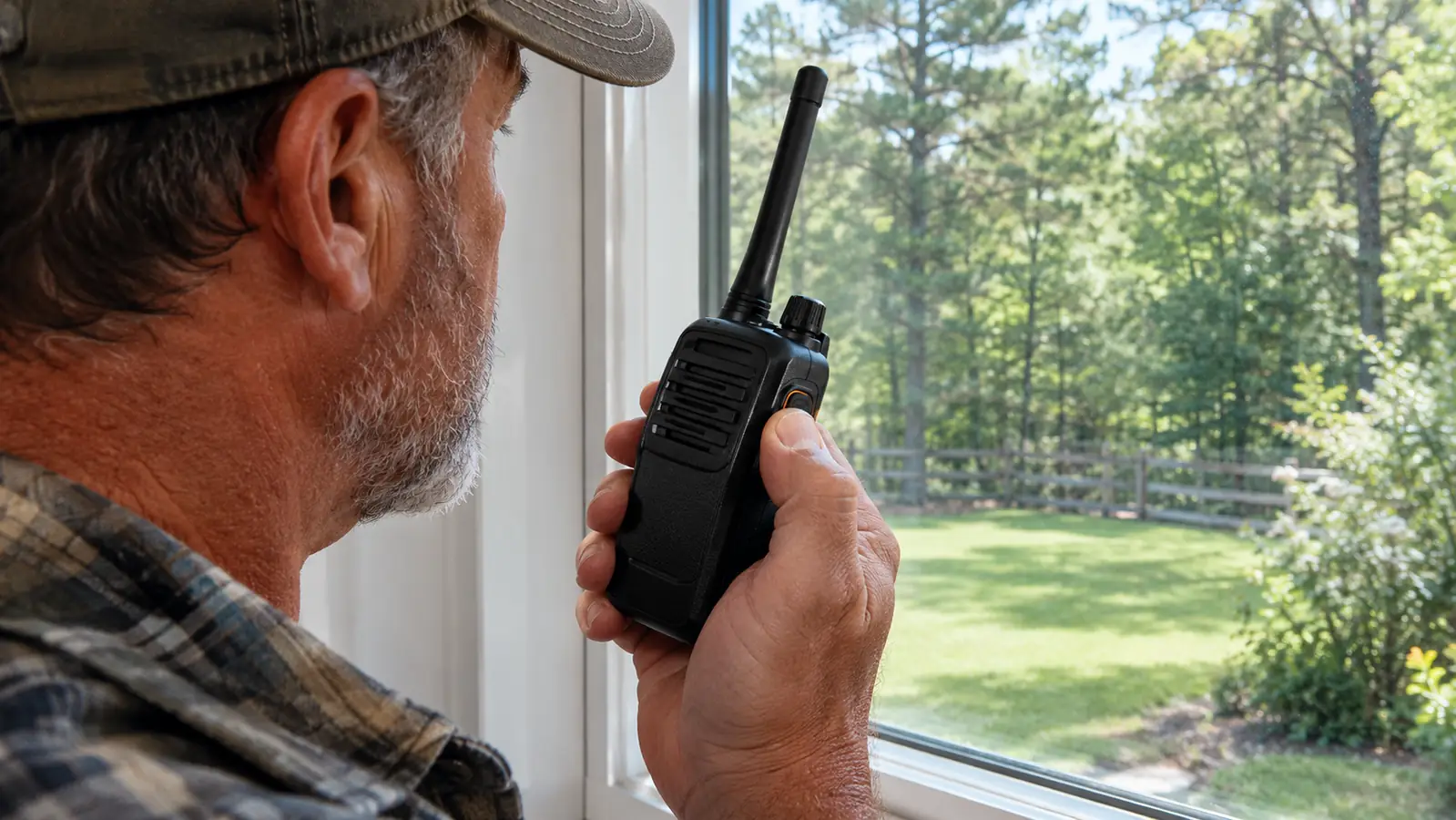
Dual band means it covers both the 2 meter and 70 centimeter bands, which is where most local repeaters live. Your club's weekly net, the scheduled on-air meeting, the machine on the hill outside town, the repeater that links the county during an outage, all of them are within reach of one radio. You do not need a third band until you have worked the first two.
It stores the tones a repeater needs to open
Most repeaters these days use CTCSS, a sub-audible tone the machine has to hear before it will open. Press transmit without the right tone and you get silence. I remember my first club net, years back, when I could hear everyone but nobody could hear me. An old timer finally asked what tone I was using. I did not know I needed one. Thirty seconds in the menu and I was in. The Baofeng stores the tone per channel, so you set it once and forget it. A programming cable and the free CHIRP software make the whole job faster than poking through the menu by hand.
8 watts gives you a little more reach when it counts
The BF-F8HP is the 8 watt version of the UV-5R line, a step up from the 5 watt original. That extra power will not cure every problem, but on a quiet band it can be the difference between a contact and a missed call. There is a repeater on a ridge about thirty miles from my house that my old 5 watt radio could only open from the very top of the hill behind the house. With the 8 watt version I can open it from the back porch on a clear evening. Same antenna, same position, just a little more power.
A non-ham can use it in an emergency
Joan is not a ham and has no interest in becoming one. But during storm season a charged BF-F8HP sits on the kitchen counter, and she knows which knob turns it on and which channel reaches me. I set the radio to the local repeater and wrote the channel on a strip of masking tape on the back. The night the power went out, she turned to channel 1 and reached me from the kitchen. When the 2020 ice storm took out power and cell service for four days, that one fact mattered more than anything else in my radio corner.
Spare batteries are cheap enough to keep one charged
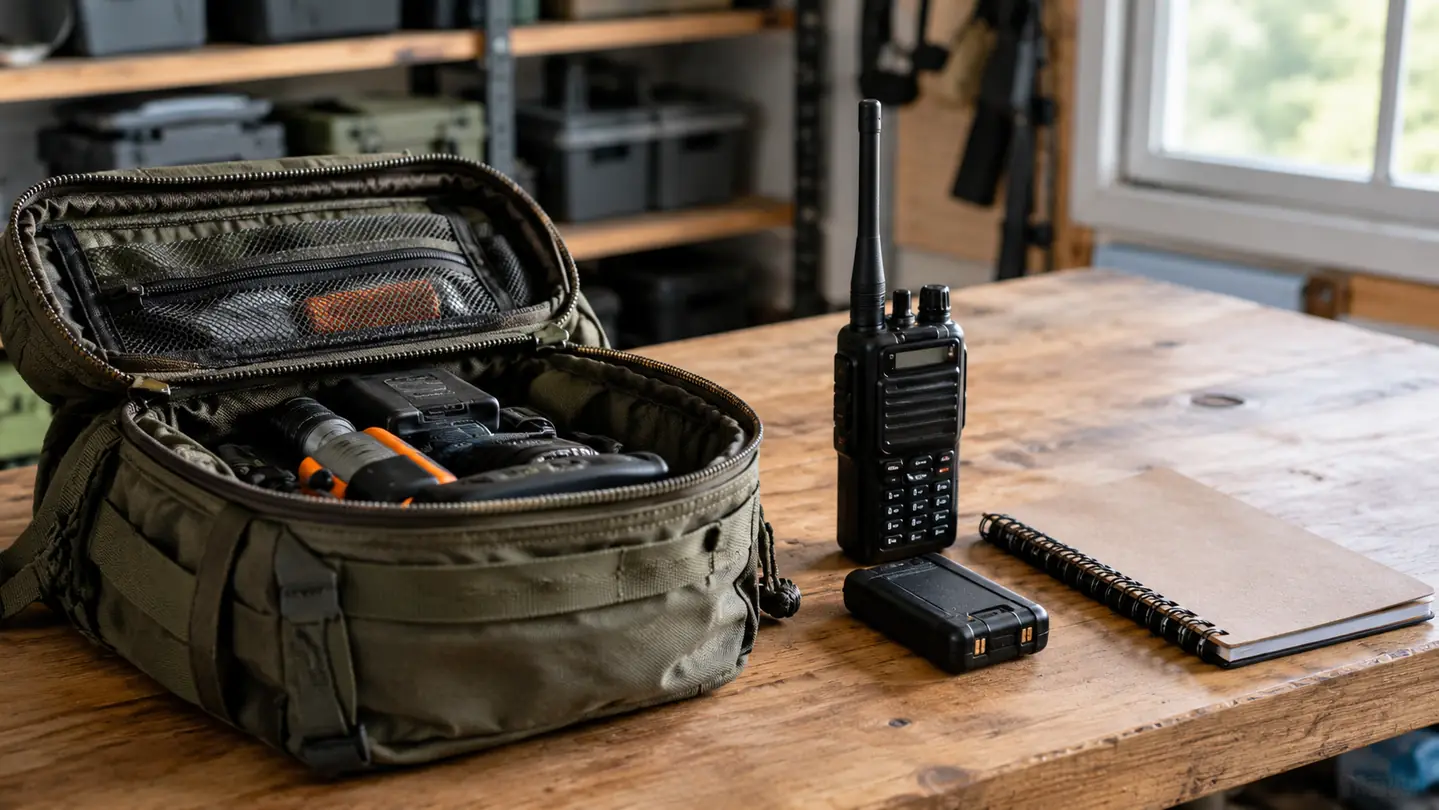
The radio takes a battery pack that costs a small fraction of the radio itself. I keep one charged on the workbench and one in the truck. When the kitchen radio runs low, Joan swaps in the spare without asking. I date the spare with a marker when I charge it, so I know it has not been sitting since last fall. With a name brand, a second battery is a real purchase. With this one, it is an afterthought.
The accessory and programming ecosystem is huge
Because so many hams own this radio, the pile of compatible gear is enormous. Programming cables, speaker mics, better antennas, battery eliminators, all of it exists and all of it is inexpensive. When something confuses you, half the people in your club own the same radio and can walk you through it. That support network is worth more than any spec sheet.
It teaches you the habits that actually matter
A simple radio teaches you the basics: what a band is, what a repeater offset is, the gap between the frequency you listen on and the one you talk on, why your signal sounds thin when the battery is low. You learn to listen before you transmit, to check the channel before you transmit, to charge the radio before the storm, not during it. Those habits carry over to whatever radio you buy next.
A cheap antenna upgrade makes it a different radio
The stock antenna is adequate. Swapping in a better one, even a modest one, improves receive noticeably and costs little. The afternoon I swapped the stock antenna for a longer one I keep in the truck, the difference showed up on the very next evening net: stations that used to fade in and out sat steady and clear for the whole hour. It is the first lesson in ham radio: the antenna matters more than the radio. Learning that on a handheld this inexpensive is better than learning it on a rig that costs a lot.
It is the right tool for the storm bag
When the county lost cell service in 2020, the radios that worked were the ones with charged batteries and a clear frequency. A handheld in a go-bag, with a spare battery beside it, is the difference between knowing whether the road is passable and guessing. The Baofeng is light, easy to replace, and simple enough that you will actually keep it charged, which is exactly what you want in a bag you hope you never need.
What I'd Skip
If you are a new ham, skip the accessories that promise more than they deliver. Skip the extended batteries with inflated capacity claims, including the one that promises double the stock capacity and delivers maybe half of it on a cold morning, skip the tactical-looking add-ons, and skip any urge to transmit before you have a license. You need a license to transmit, full stop, and no radio changes that. The receiver is not as selective as a name brand, so on a crowded band you will hear more noise. And if your budget allows a name brand with a better receiver, buy it. The Baofeng is a starting point, not an ending point. It is the radio you learn on, drop, and eventually pass along to the next new ham.
When the ice storm took the county's cell towers down for four days, a charged handheld was the only thing that still worked.
None of this means the BF-F8HP is the last radio you will ever need. It is not. It means it is the right first radio, the one you can afford to learn on and the one that will still be working when the power goes out.
Start with the radio that gets used
The best first radio is the one you will actually carry. The BF-F8HP is that radio for thousands of new hams, and it is still the one on my kitchen counter.
Amazon Check Today's Price on Amazon →