
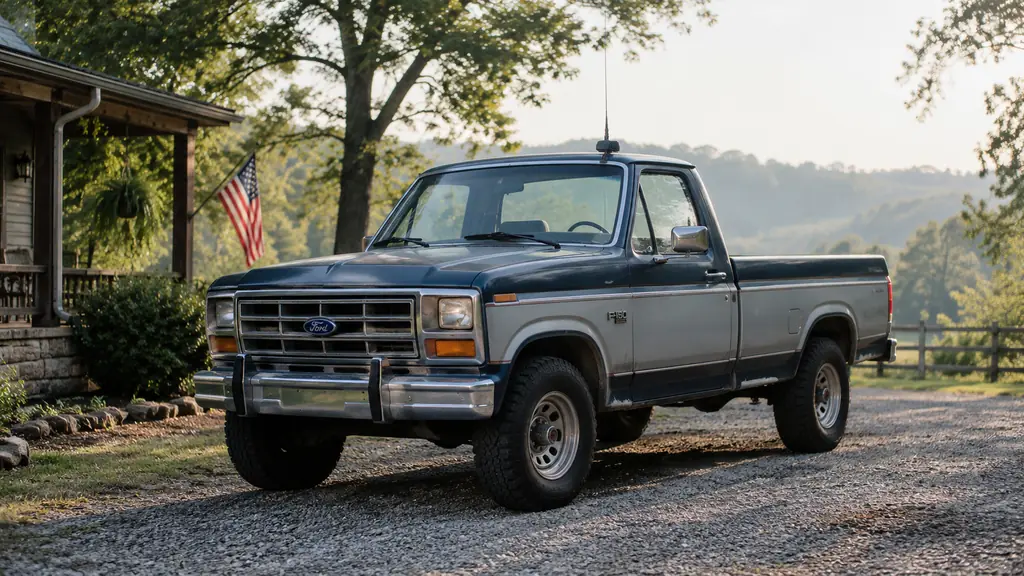
If you run a mobile radio in a pickup, the antenna is the part of the setup you notice last and regret first. I have used the VFAN Dual Band Magnetic Mount Antenna on the roof of my F-150 for about two years, feeding the AnyTone under the dash, and it has changed how I think about mobile gear. No holes, no brackets, no permanent commitment. It just sits there, works, and gets out of the way when you need it to.
Here are ten reasons a magnetic mount antenna is worth it, based on my own use rather than the spec sheet.
The antenna that made my truck a real station
The VFAN Dual Band Magnetic Mount Antenna is the first thing I recommend to a ham who wants better mobile receive and transmit without drilling holes.
Amazon Check Today's Price on Amazon →No holes in the truck
A permanent mount means drilling into the roof or the bed rail, and that is a one-way decision. My last truck had a drilled NMO mount from the previous owner, and the coax ran through a hole in the roof under a rubber grommet. The grommet dried out and leaked. By the time I traded that truck, there was a rust ring around the hole and a water stain on the headliner I could never fully get out. I patched it with automotive sealant, and it still looked like a patch job. The VFAN sits on the cab roof with a magnet and nothing goes through the metal. No hole to seal, no grommet to replace, no rust to chase. I have watched other hams at the club deal with water leaks and rusted mounts, and none of them ever said the drilled mount was worth it. When I sell this truck someday, the next owner gets a clean roof and I get to keep the antenna. That alone is worth the trade.

You can move it between vehicles
I run the VFAN on the F-150, but when Joan needs the truck for the day, I can lift the antenna off and set it on the shed roof or the mailbox post for a quick base setup. It takes ten seconds. A drilled mount locks you to one vehicle. Last spring I spent a Saturday checking into a net from the shed while I reorganized the radio corner, and the antenna sat on a sheet of metal I bolted to the workbench. Same antenna, same feed line, different location, no tools required.
It gets the antenna up where it belongs
A roof-mounted antenna clears the cab and the bed, which means it sees over the metal around it. Height is everything on VHF and UHF. The VFAN sits about 19 inches above the roof line, which is enough to make a real difference on repeaters that sit 20 or 30 miles out. There is a repeater on a ridge east of Cookeville that I used to struggle with from the truck. With the rubber duck sitting on the dash, I would open it maybe half the time, and the audio would drop when I turned a corner. With the VFAN on the roof, I can hit that same machine from the grocery store parking lot on the west side of town, and it stays open through the hills. I checked it with the NanoVNA when I first installed it, and the SWR came in under 1.5 to 1 across both bands, which told me the mount location was doing its job. A steel roof is a decent ground plane, and the magnet puts the antenna in the middle of it.
It handles both bands you actually use
The VFAN is a dual band antenna, which means it covers 2 meters and 70 centimeters, the two bands most hams use for local and repeater work. One antenna, one feed line, both bands. You do not need to swap antennas when you change repeaters.
It works with the radio you already own
The VFAN uses a standard PL-259 connector, the same connector found on most mobile radios and handhelds with an adapter. I run it into the AnyTone under the dash, but it will also work with a Baofeng if you add a small adapter. No proprietary cables, no special mounts.

It makes the handheld useful from the truck
Joan keeps a Baofeng on the kitchen counter during storm season, and I have used the same radio in the truck with the VFAN. A handheld by itself is a decent radio with a poor antenna. Put it on a roof-mounted antenna and it behaves like a much bigger setup. One afternoon last fall I was waiting in the truck while Joan ran into the feed store, and I clipped the Baofeng to the dash, ran a short adapter cable to the VFAN, and worked a station 40 miles north that I normally only hear on the base rig. The rubber duck on that same handheld gets me maybe five miles on a good day. Same radio, same power, different antenna, and the difference was night and day. If I had tried that with the antenna sitting on the passenger seat, it would have been a different story. The adapter cable lives in the glove box now, so the handheld can ride along whenever Joan decides she wants it.
It survives the wash and the weather
Two years of Tennessee rain, heat, and the occasional car wash, and the VFAN still looks and works like the day I bought it. The magnetic base is sealed, the coil is wrapped, and the spring base takes the flex when I brush a low branch. It is built for outdoor life.
It is easy to tune and check
I use a NanoVNA to check SWR on my antennas, and the VFAN is the easiest one I own to test. Since it is not permanently mounted, I can bring it inside, check it on the bench, and put it back in five minutes. A drilled antenna means climbing on the roof with a meter.
It is cheap insurance for storm season
After the 2020 ice storm knocked out power and cell service for four days, I rebuilt my setup so the family can still reach each other. That storm took down trees across the county, and the cell towers went with them. Joan and I had no way to know what was happening on the other side of the county except through the radios. The VFAN on the truck is part of that plan. When the grid goes down, the truck becomes a base station. I pull the AnyTone out of the dash, run it on the Tekpower supply on the bench, and the same antenna that works on the truck works on a metal shelf bracket in the spare bedroom. The antenna is already in place, already tuned, and already proven. That is the whole point of preparedness gear: you do not want to be learning how it works when you need it to work. During that storm, the only news we got about the roads came from a neighbor two miles away who had a generator and a radio. I want to be that neighbor, not the one doing the listening.
It is honest value for the money
I have owned the VFAN for about two years, and it has never once made me wish I had spent more. It is not the fanciest antenna on the market, but it does the job every single day. I told two guys at the club about it, and both came back a month later with the same report: it just works. That is the whole review. You get a real improvement in your mobile setup, and you do not have to drill a hole to get it.
What I'd Skip
If you only ever listen to local traffic on a handheld while standing still, a magnetic mount antenna is probably not going to change your life. The rubber duck on a handheld is fine for the five miles around your house, and a roof-mounted antenna will not help you if you never leave the couch. And if you plan to run high power for long contests, a drilled NMO mount with a ground plane is a better choice. The VFAN is a practical daily driver, not a contest antenna. Know which one you need.
Two years on the roof of my F-150, through Tennessee weather and a car wash or two, and the VFAN still works like the day I bought it.
Put a real antenna on your truck today
If you are still running a rubber duck on the dash, the VFAN Dual Band Magnetic Mount Antenna is the cheapest upgrade you will feel the first time you hit a repeater.
Amazon Check Today's Price on Amazon →